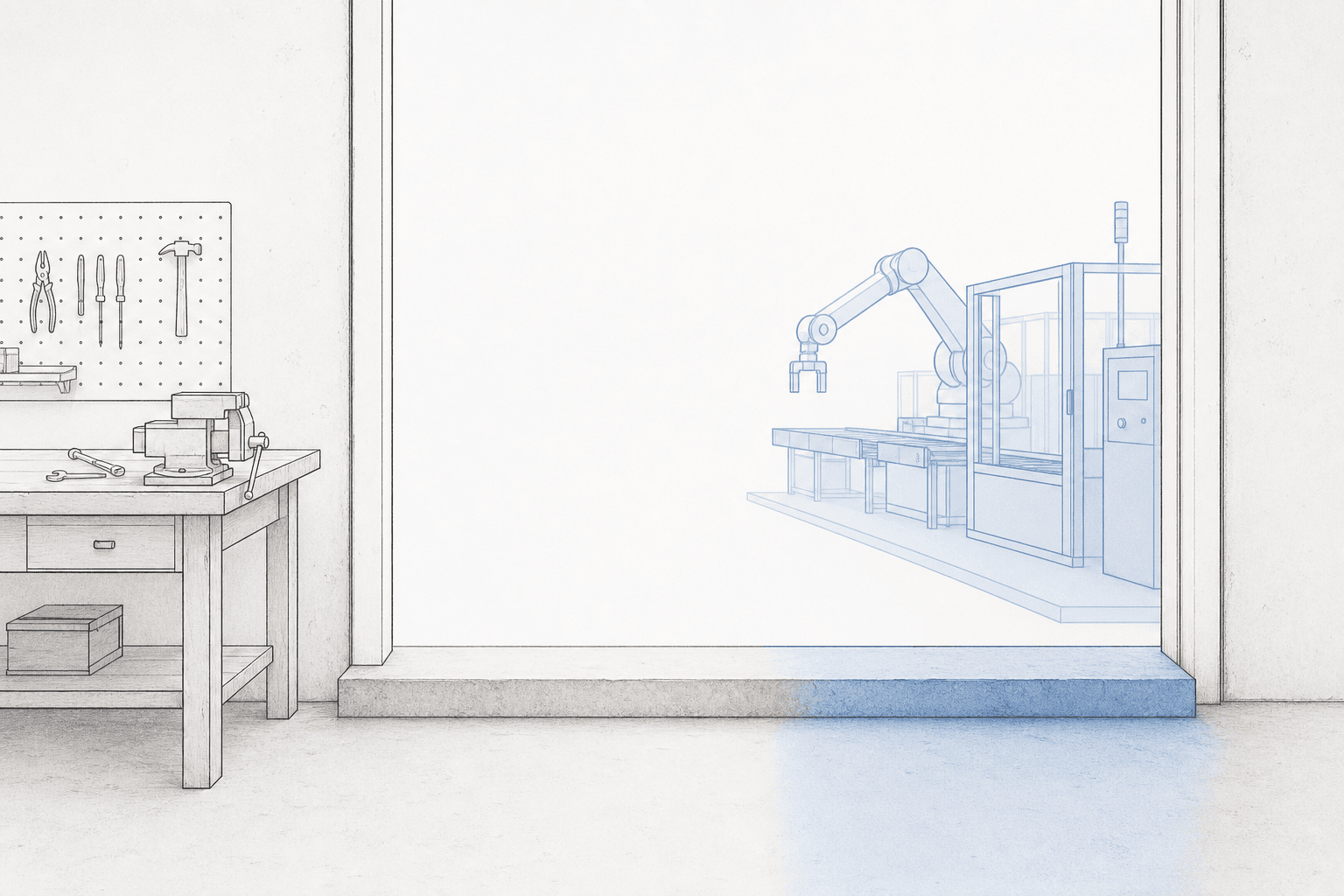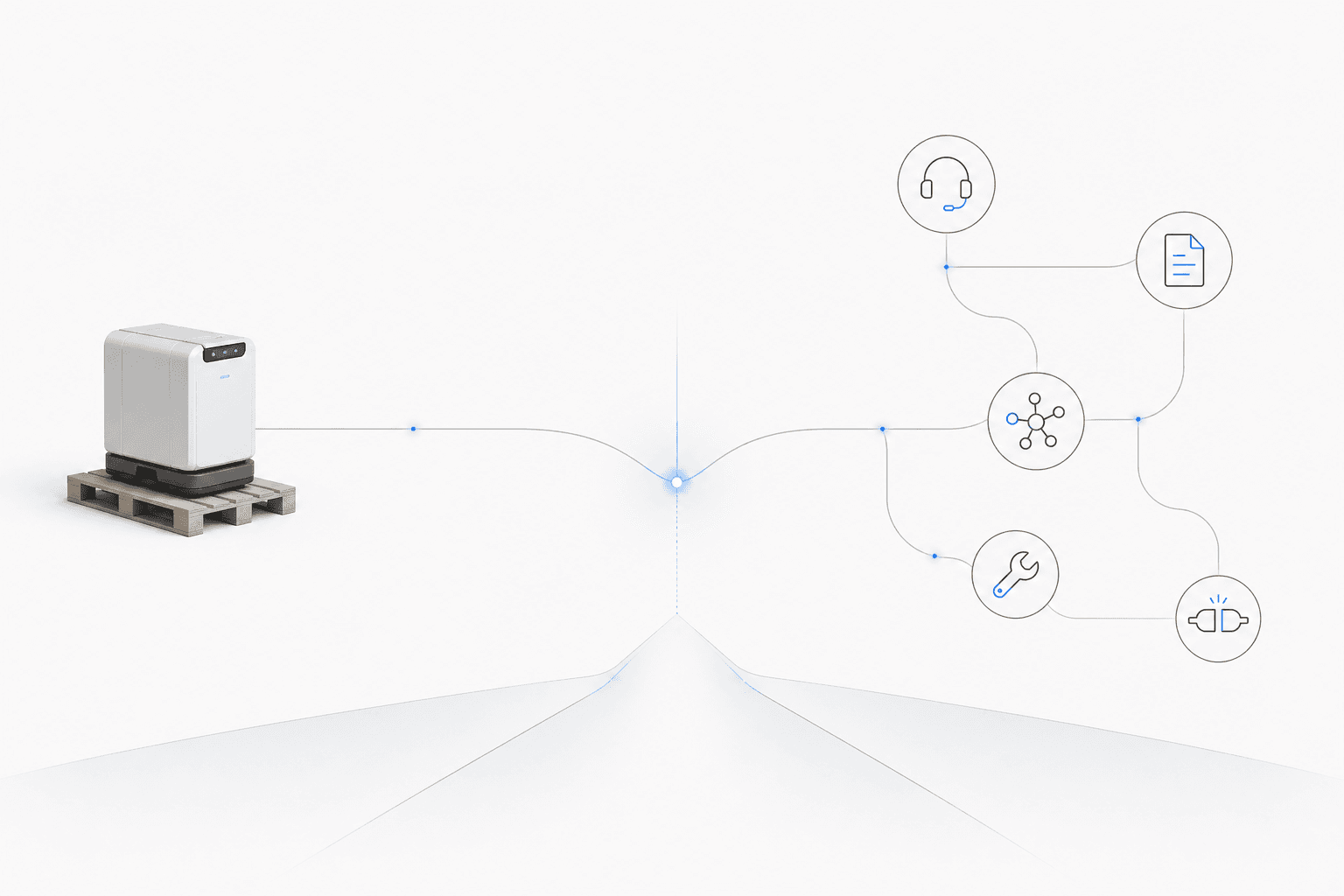
When buying a cobot, many people hear “partner” as sales manner: fast replies, low price, a good dinner. What still matters three years later is something else—and part of it already has industry language: ISO 10218 and ISO/TS 15066 frame collaborative system risk and integration boundaries; Universal Robots’ pricing guide lists integration complexity, EOAT, and safety components among the most underestimated budget lines. A serious partner names those up front—not only in contract attachments.
One: a partner who can say no in your actual conditions
If a vendor still answers “no problem” after worst-case parts, tightest takt, and the dirtiest environment, be careful. A good partner names limits: simulate this segment first, or question IP rating near coolant mist. Limits prevent blame later.
Two: documentation and tools that side with integrators and line leads
Everyone has a spec PDF. The gap is STEP for the flange, a clear IO map, reproducible examples, revision history. One sign of seriousness: resources match what shipped—and the line lead can find them. Early alignment via Side-by-Side Comparison helps procurement, process, and the floor argue from one table.
Three: support boundaries written down
“Call me anytime” terrifies at peak downtime. Serious support has response tiers, spare paths, release notes, and out-of-warranty tables. Vague promises become stopped hours. Delivery can align to RooollTrack or equivalent milestones—not voice notes alone.
Four: a partner who respects rollback
Pilot failure should not be shameful. A good partner plans removable mounting, manual parallel paths, documented rollback. Vendors who plan rollback expect the product to prove itself on your floor.
Five: beyond price—who owns your takt
Lowest bid often fails on scope. Published TCO work puts arm hardware as only part of project cost (AMD Machines · TCO). A shared scope sheet matters more than the lowest number.
How we think about partnership at Roooll
We push specs, comparison tools, and downloads to be transparent because transparency reduces arguments, and arguments reduce uptime.
Trade the dinner for five questions:
How do you recommend validating worst-case conditions?
When docs and hardware disagree, who updates—and how fast?
When the line stops, who is first call and what is the SLA?
If the pilot fails, how do we restore manual production?
Can procurement and the line lead each get the same one-page scope?
A real partner adds an engineering culture that might answer at night. That culture rarely fits on a brochure. It shows up in the project.