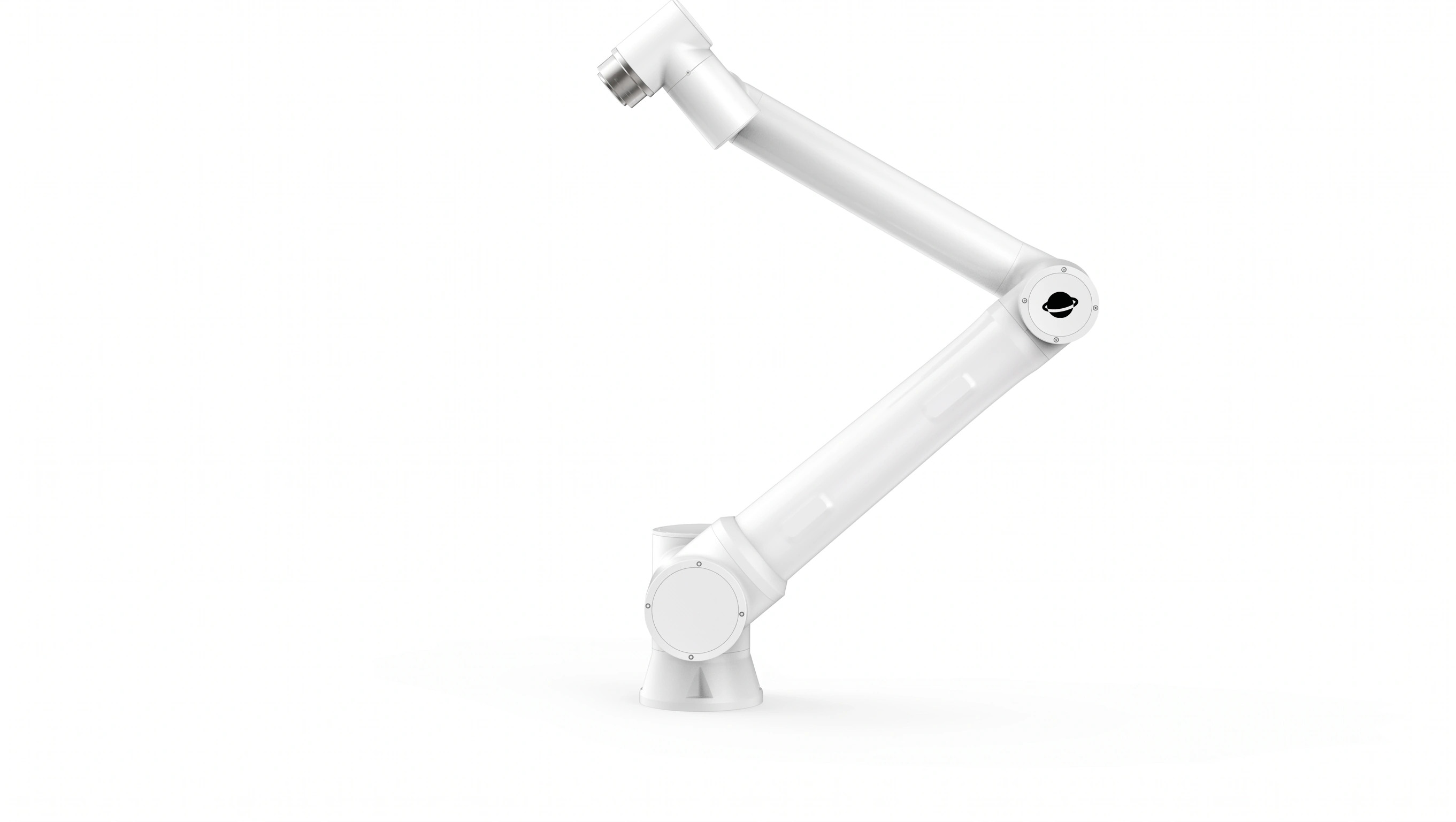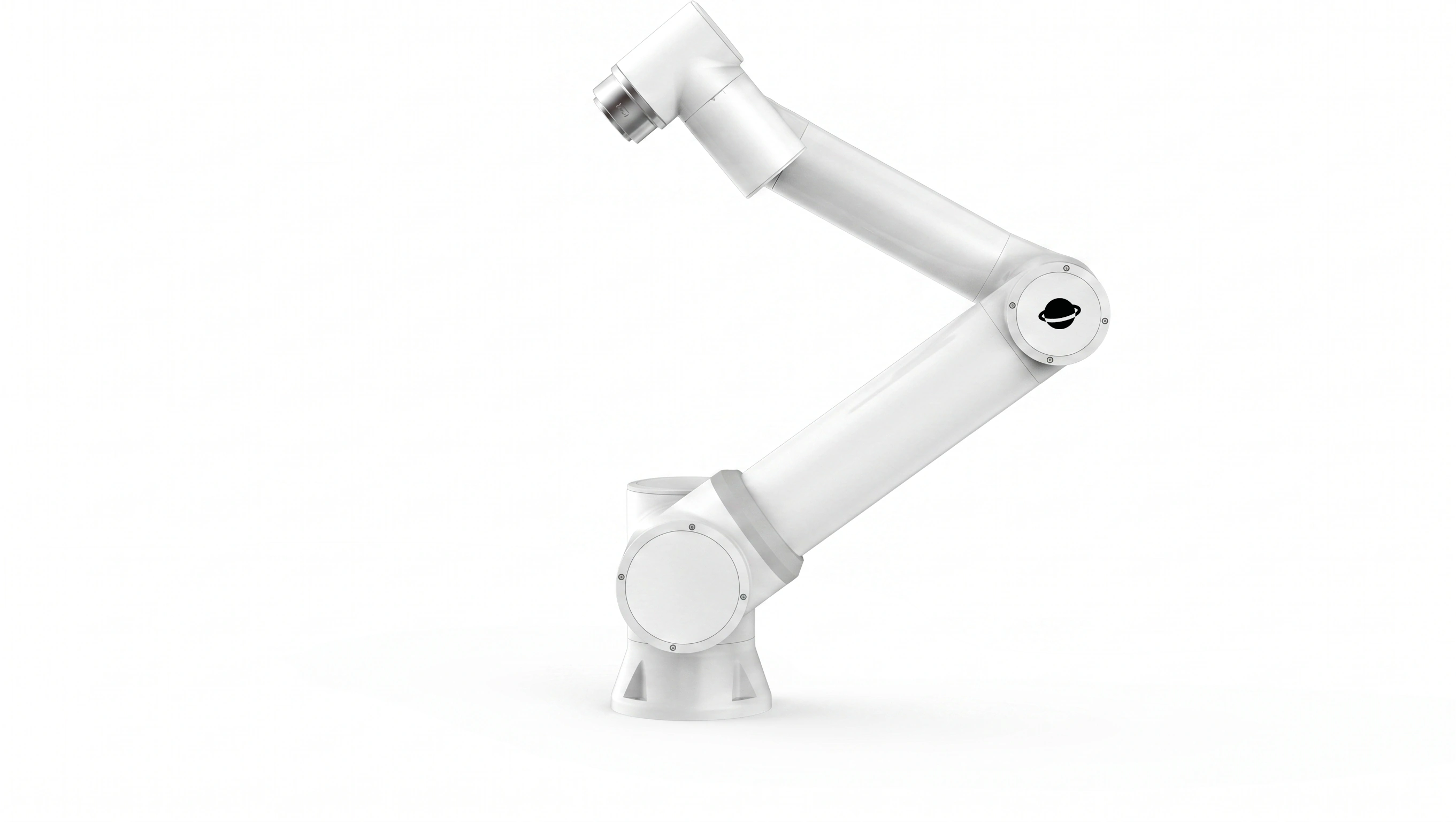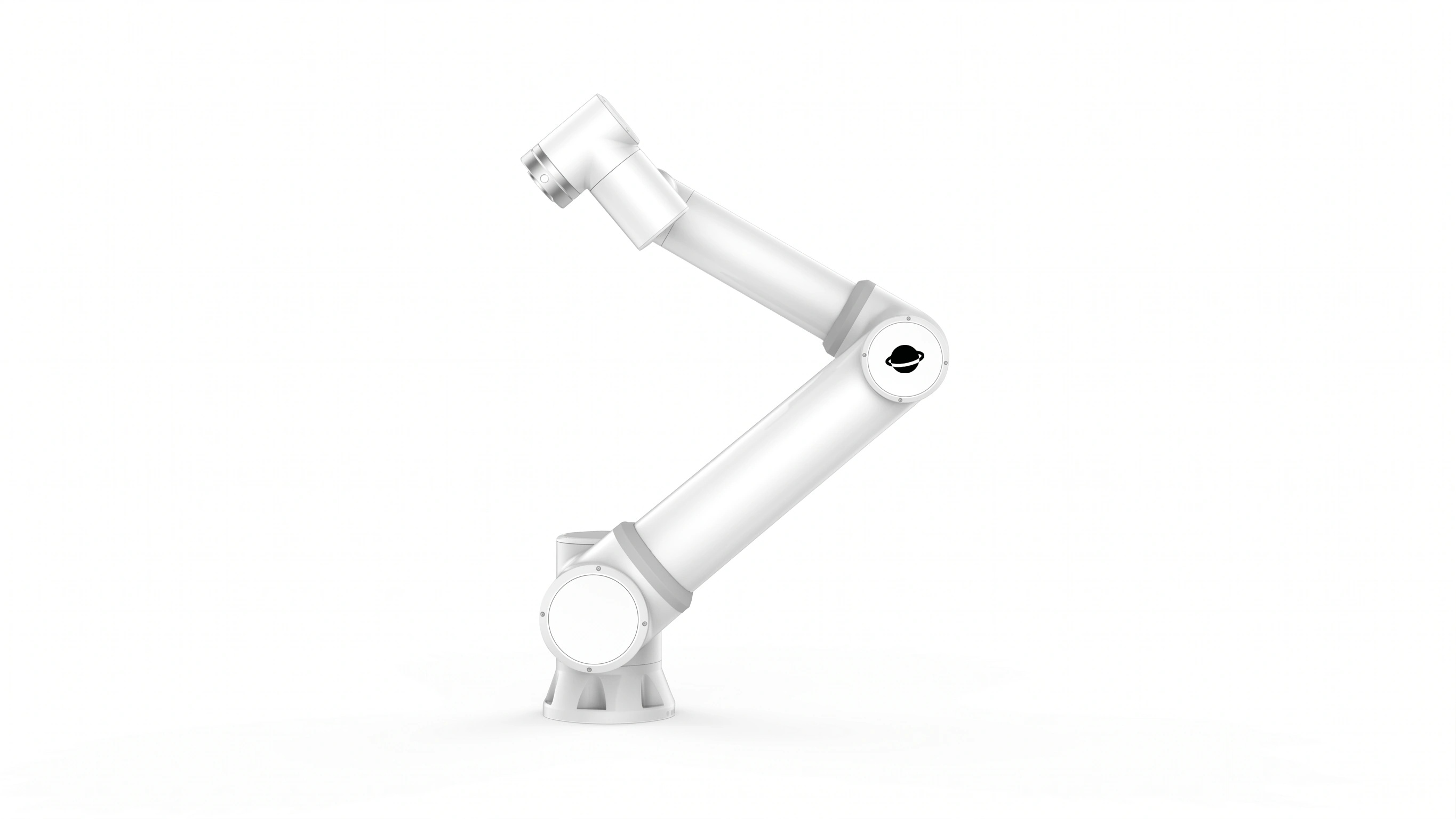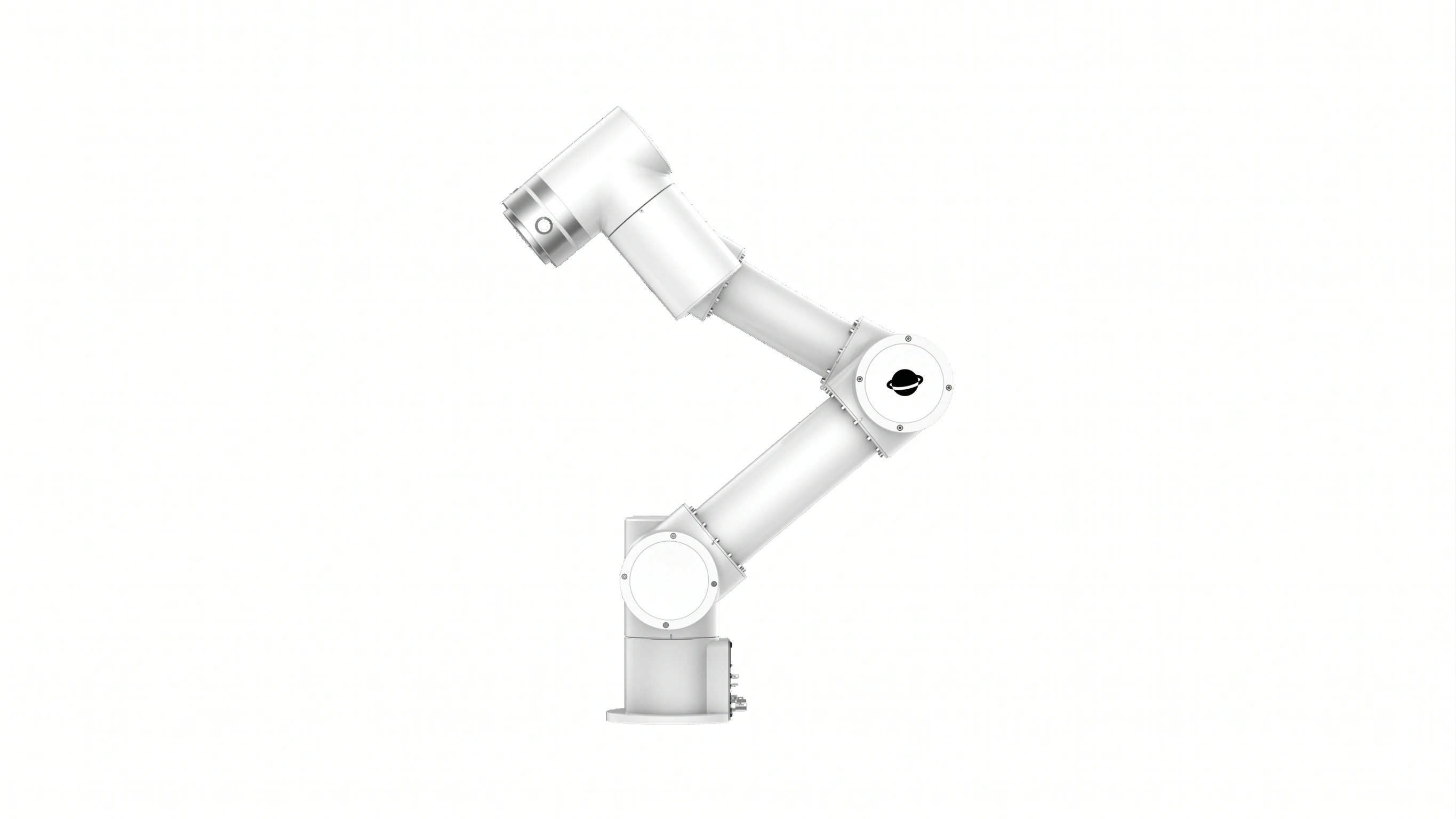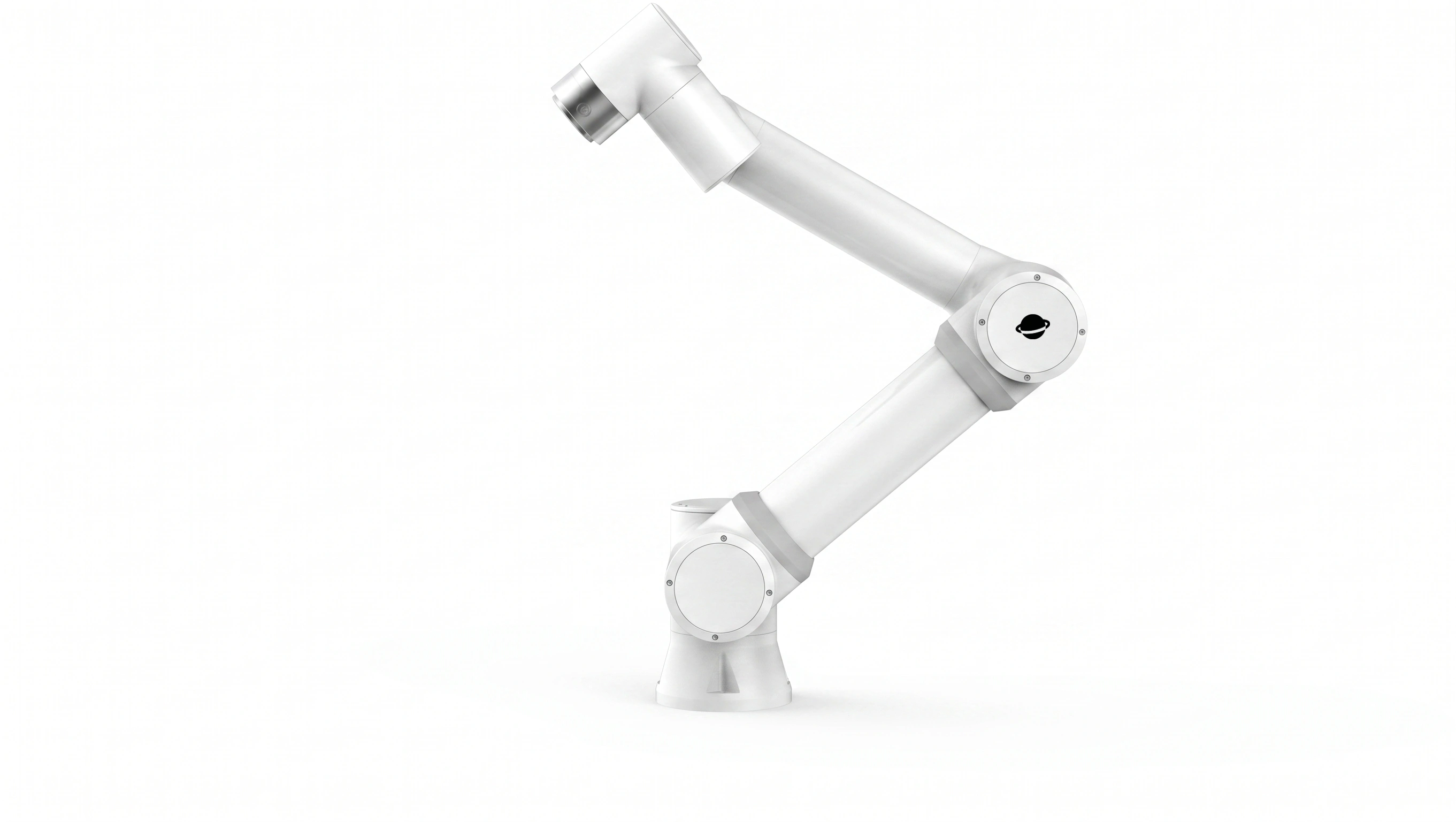
When we assess collaborative robot deployments, the same gap appears again and again: integrators and end users are not short of “bigger/heavier” options—they are short of a tier that does not over-buy on specs yet still runs pick-place and inspection on day one.
r-Core is defined around that gap. Five-kilogram class payload, 922 mm reach, and ±0.02 mm repeatability are not peak numbers on a chart; they are the tier most stations settle on once the line is stable. Standard, integrated -C, and mobile WML layouts cover cabinet lines and compact cells without locking the project into one form factor at bid stage.
We position r-Core as the line-ready anchor in the r-Series narrative not because it is the largest or lightest, but because it matches the path from evaluation to first trajectory: hand-guided teach paths and web tuning are fast enough; Modbus-ready I/O fits existing PLC habits; ISO 9409-1 tooling is familiar to EOAT partners.
If you are choosing between r-Lite and r-Core, the question is usually not capability—it is whether this tier will still be your default spare and process template five years out. Every spec row and blueprint on the r-Core page supports that decision, not a longer model list.