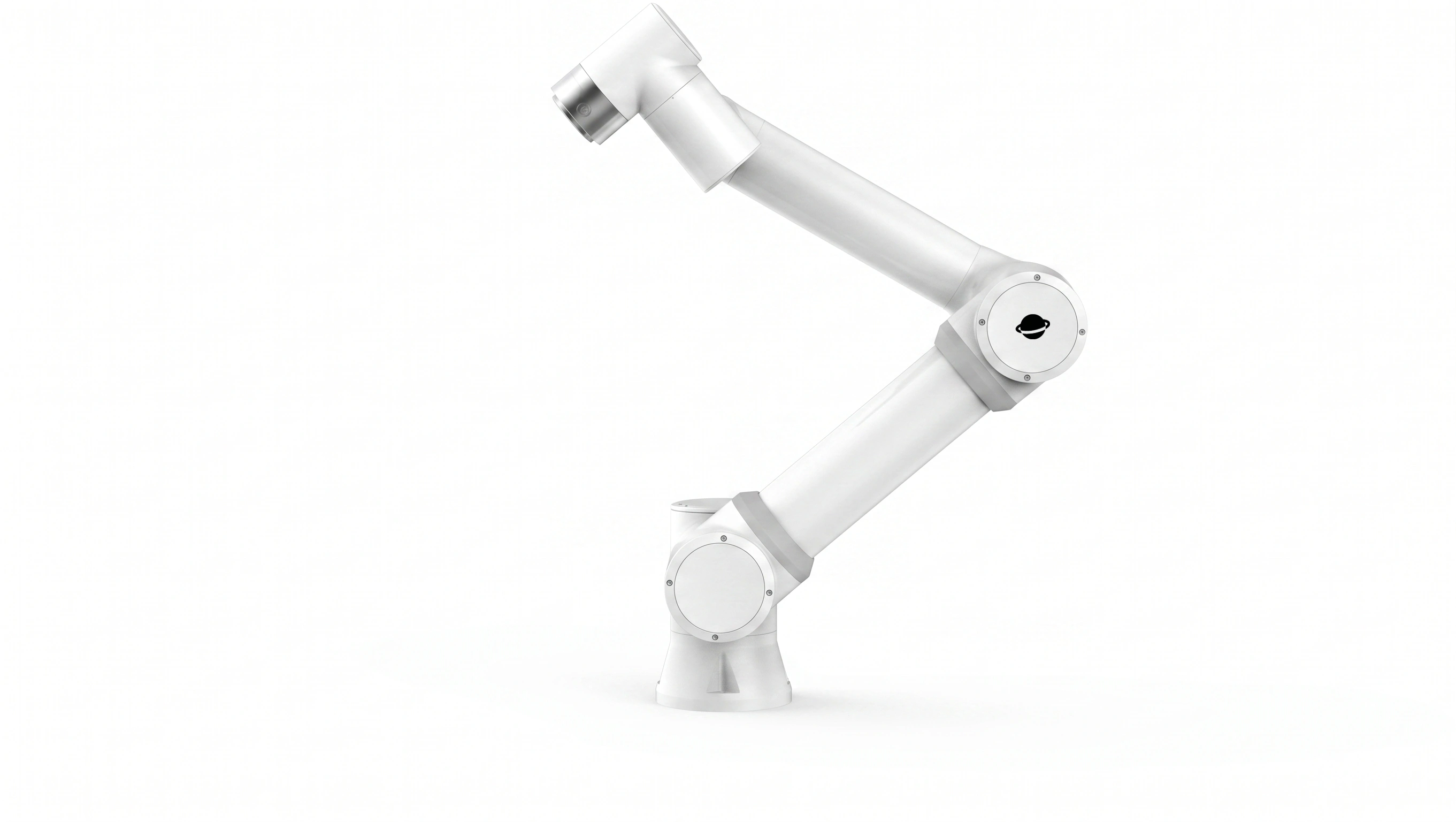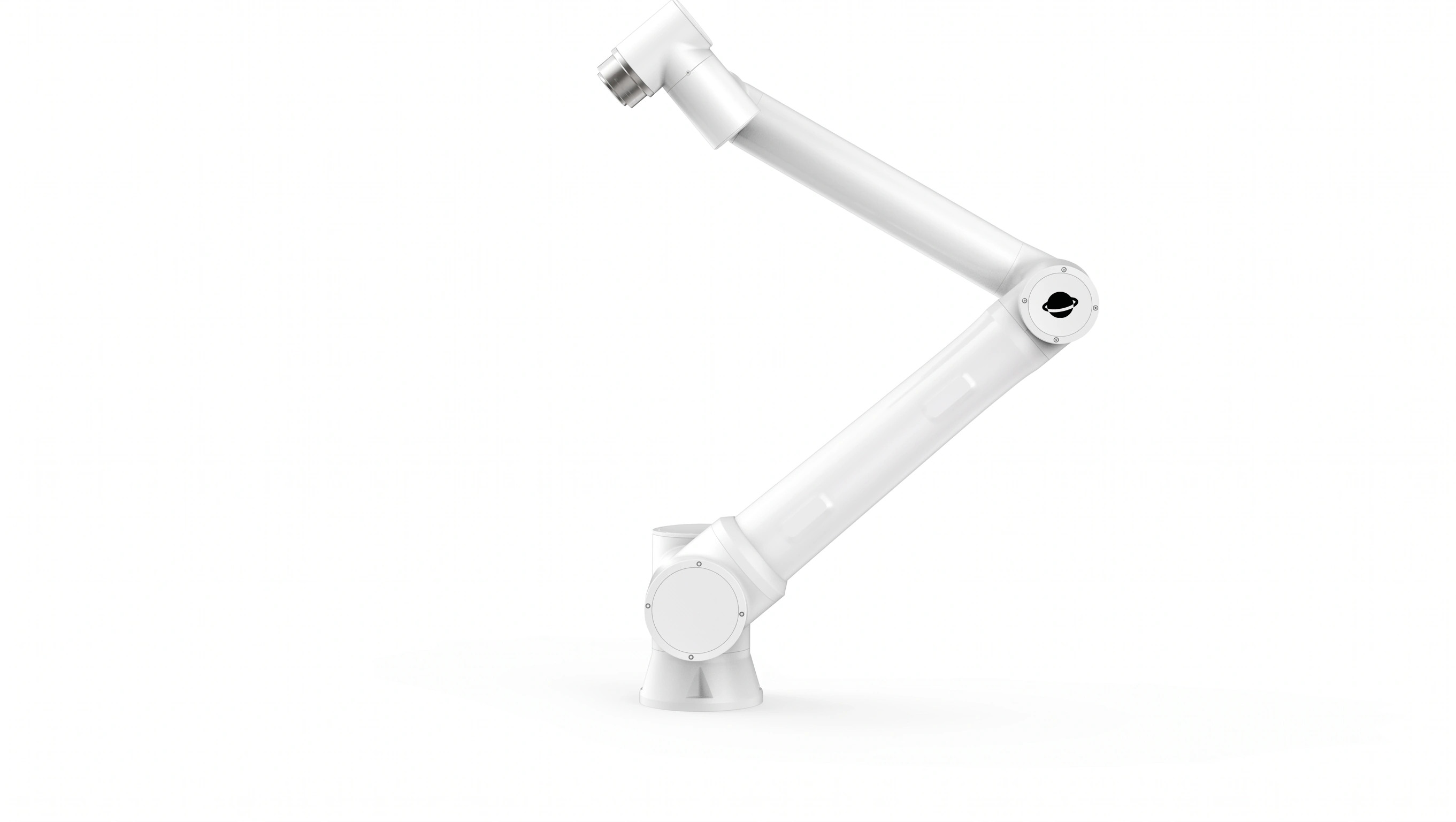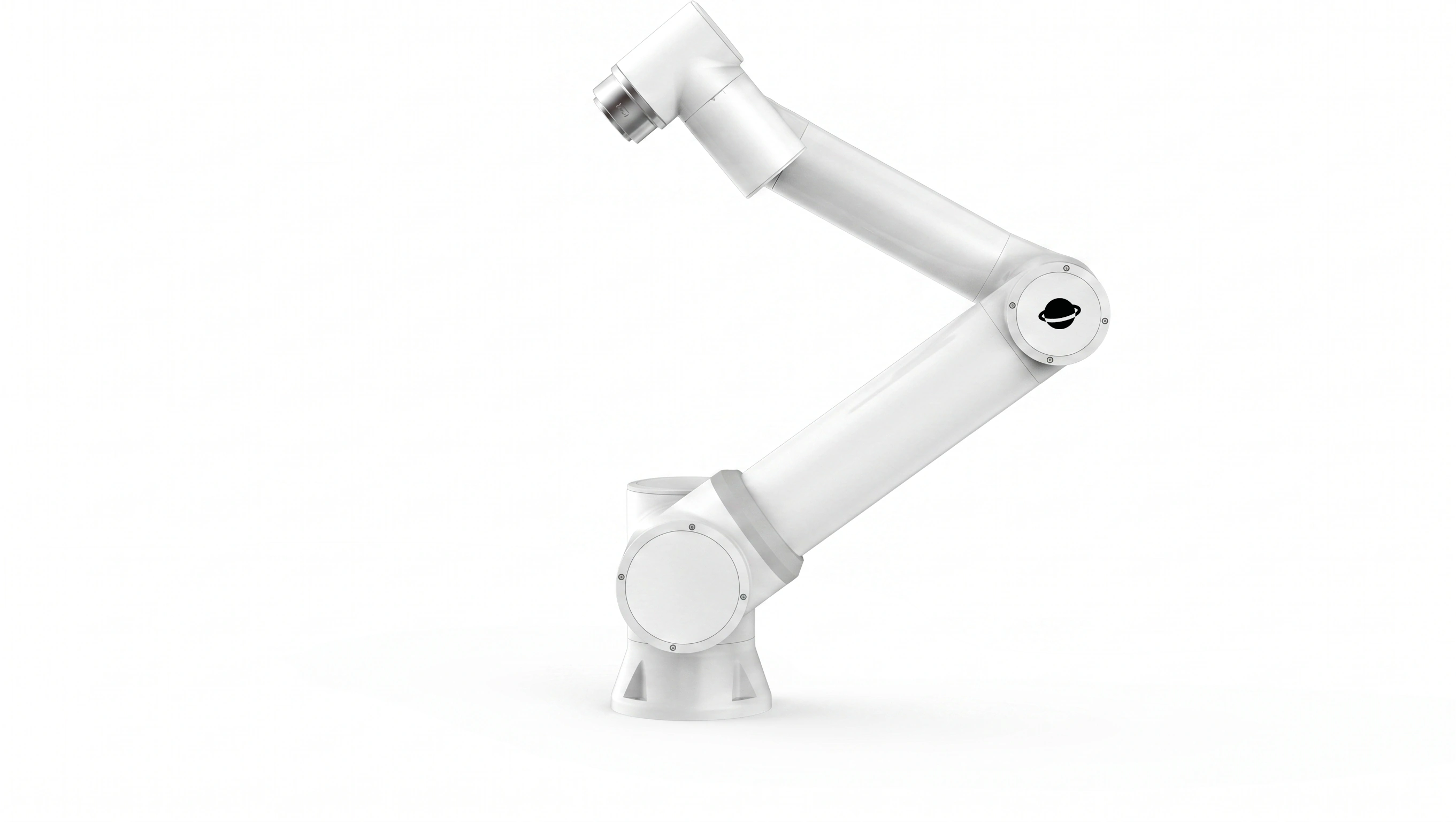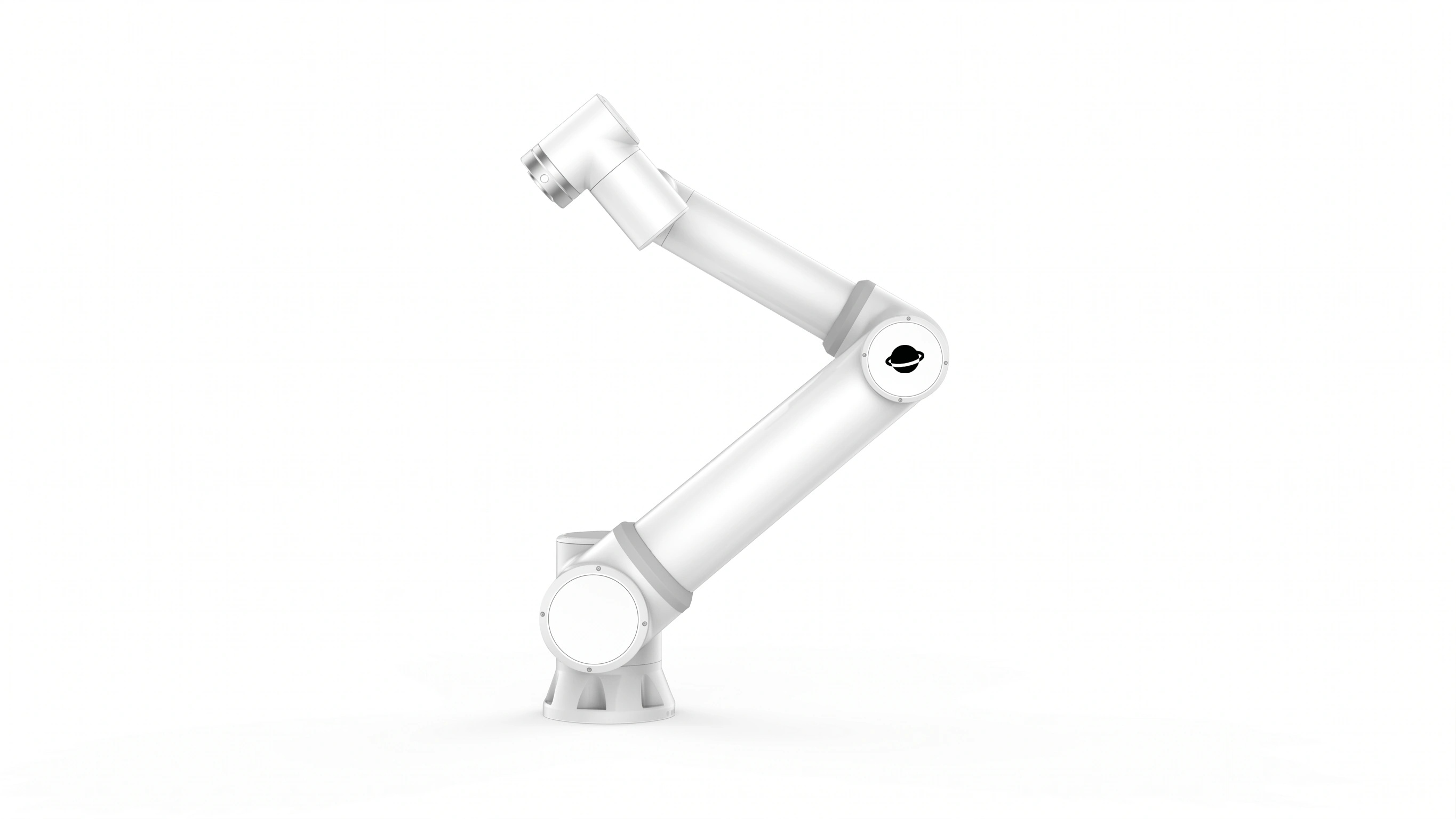
Traditional manufacturer sites often split collaborative robots across PDFs, price sheets, and scattered renders—integrators copy spec rows by hand; end users repeat the same “is this tier enough?” call. Roooll’s new site is built for a different goal: not another online catalog, but one shareable path for selection, comparison, spatial fit checks, and ongoing learning.
Four online tools for the slowest parts of evaluation
Product Advisor: five questions (load, reach, environment, duty, integration) return a primary model, upgrade path, a downloadable PDF summary on the result page, and an editable inquiry draft—so week one does not start from guessing:Product Advisor
Side-by-Side Comparison: pick any three r-Series models; payload, reach, repeatability, I/O, joint axes, and more are highlighted where they differ—procurement, integration, and the floor share one link:Side-by-Side Comparison
True-scale AR preview: on r-Lite, r-Core, r-Ultra, and other product pages, open on your phone for a 1:1 footprint and clearance check before you book a demo—on-device only; no station imagery uploaded:r-Core product page
Insights guides publish reach, payload, comparison how-tos, and more—understand before you quote, instead of drowning in spec rows first:Insights
For integrators: less copying, less explaining, less rework
Send the comparison link to align models with the customer; advisor output shortens first technical calls; AR pre-checks cut trips where the arm “does not fit on arrival.” Product pages still carry immersive 3D, blueprints, and application context—but specs and visuals no longer tell different stories.
For end users: self-serve first, then a precise conversation
You do not need to wait for a callback to see what separates 922 mm from 1402 mm—open the table; when you are unsure where to start, the advisor answers in five minutes; when floor space is the worry, AR at true 1:1 scale helps you ask the right questions before the first sales call.
Product story and site basics
The homepage opens with immersive r-Series 3D; Chinese and English publish as /zh and /en pairs with hreflang and sitemap support for cross-region sharing. Legal, Contact, and full-lineup specs use the same assessment language: judge payload, reach, and site constraints first—then trajectories and integration detail.