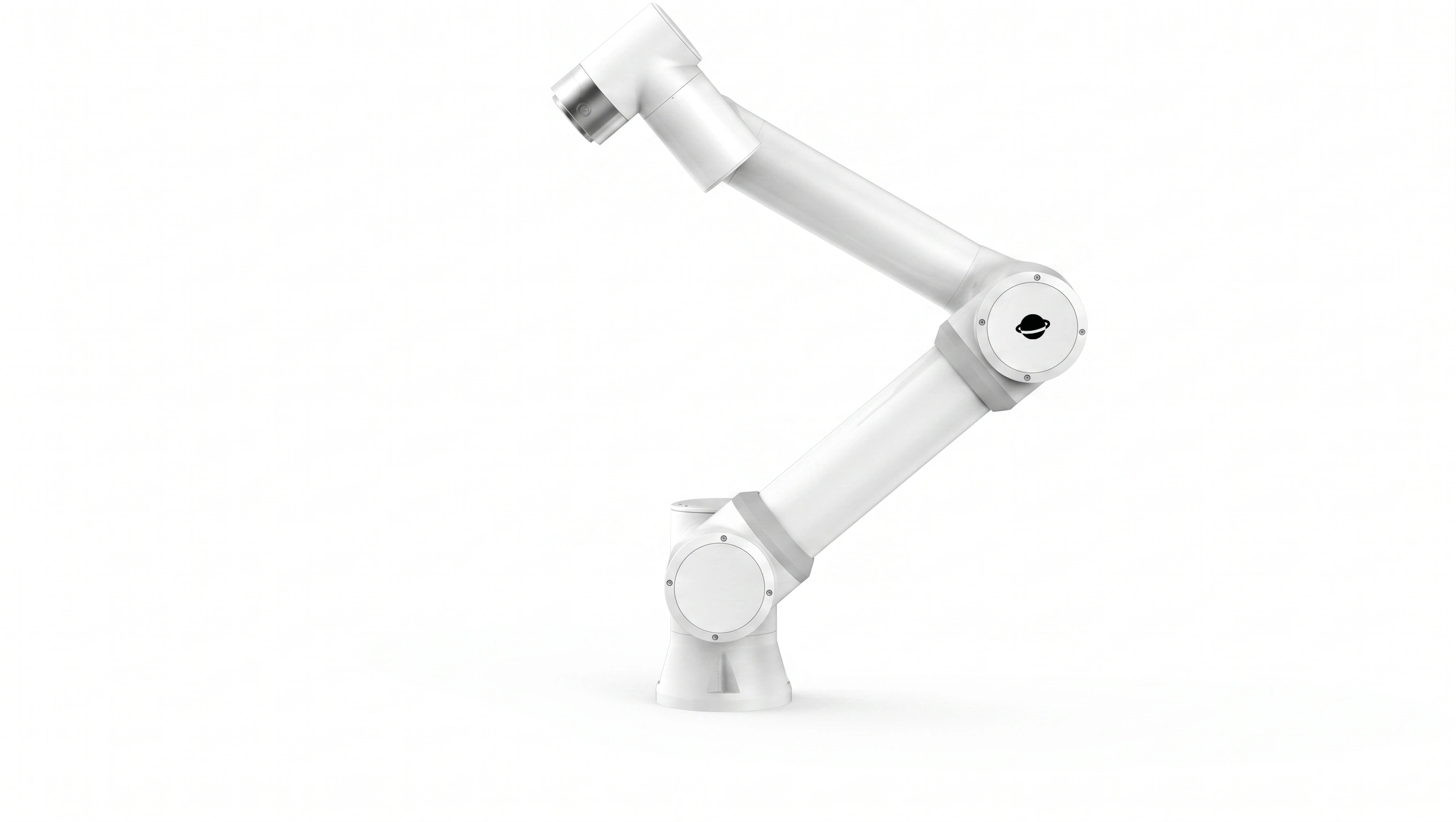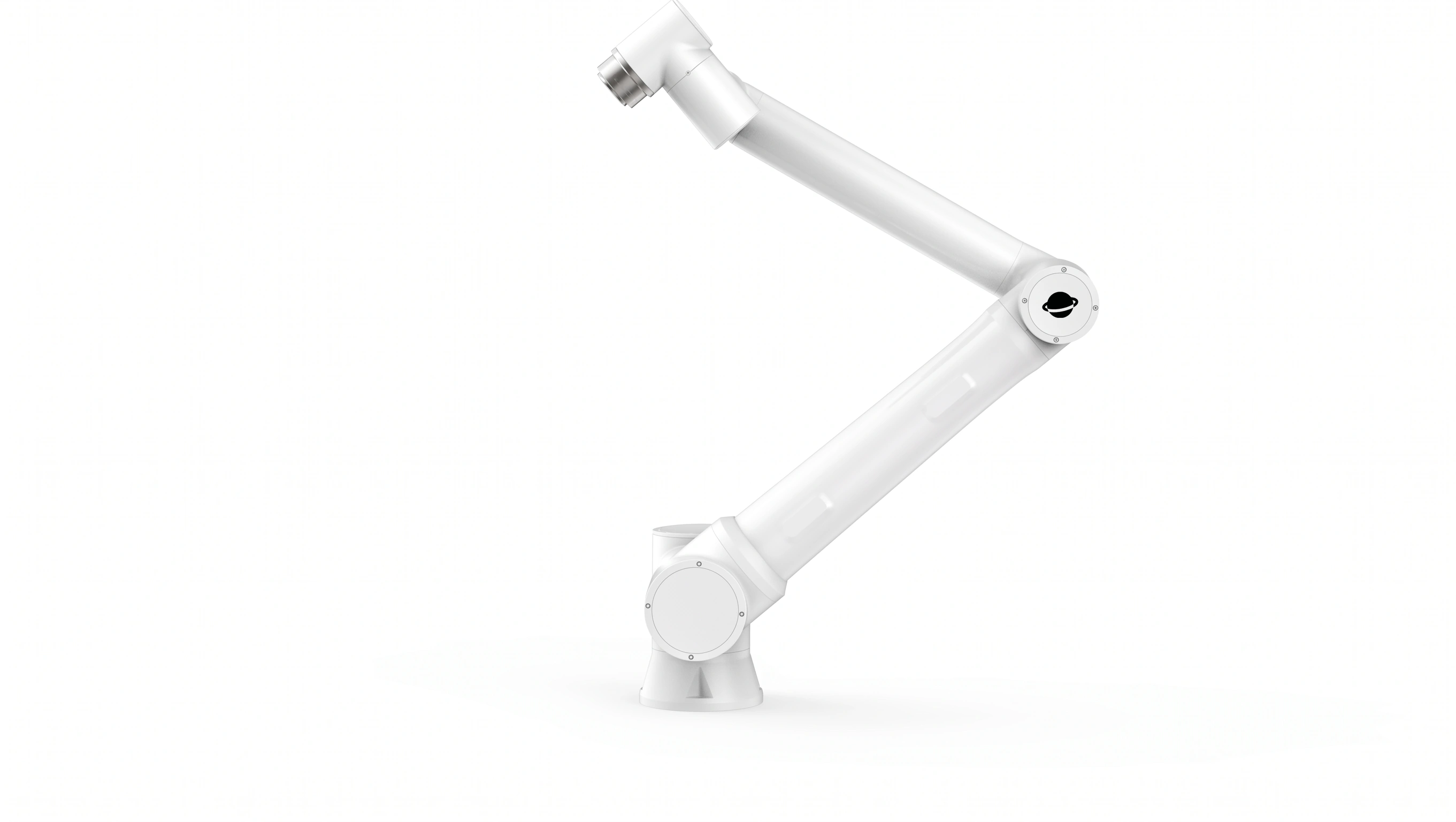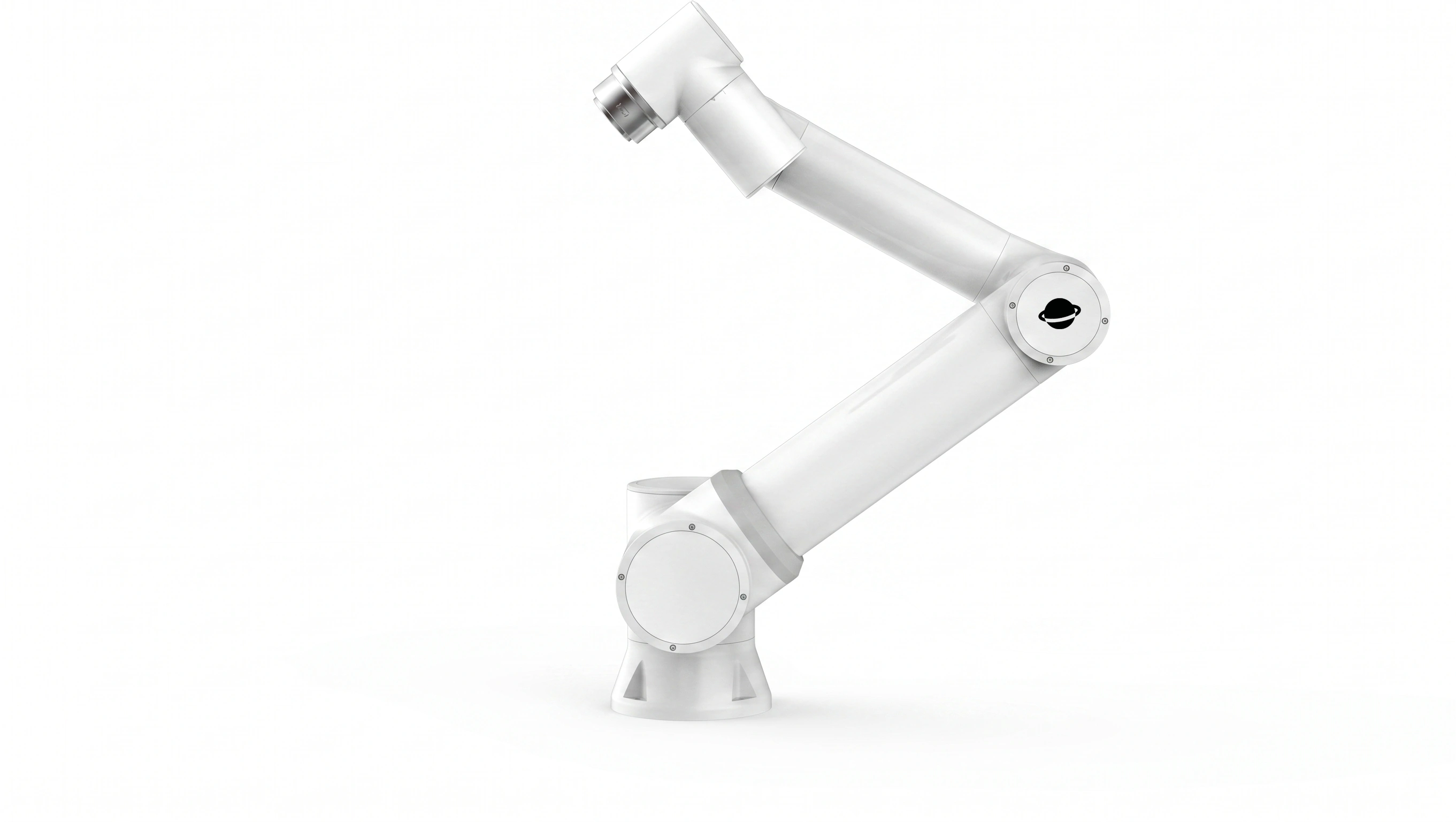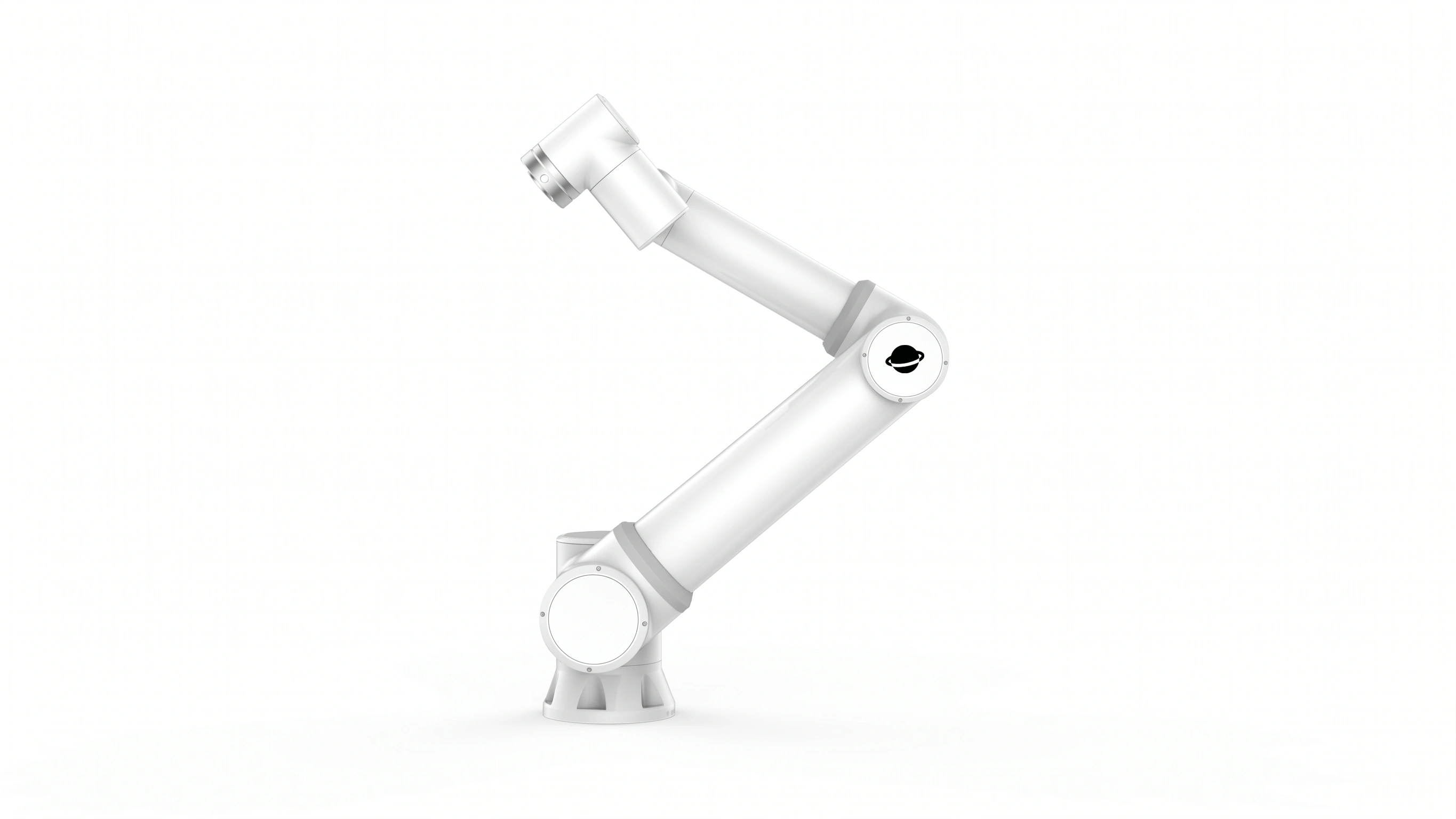
From 15 to 19 October 2026 we walked the Canton Fair floor. A lot of people came over to talk. What they asked most was not a heavier payload class. It was three more concrete things: can a collaborative robotic arm sit in the station they already have, does the wrist need a dexterous hand, and can a coffee bar ship as one complete cell.
Those three questions hang together. The arm decides whether payload and reach are enough. The hand decides whether the wrist can hold a cup or a part. The bar decides what the station actually looks like. Leave one of them vague, and it is hard to go further.
The arm: will it fit the station
A lot of conversations start with “we want a robotic arm.” What we actually look at together is payload, reach, and whether the cabinet takes floor space. r-Lite suits a compact counter and light loads; most lines land on r-Core; longer spans or heavier parts step to r-Reach, r-Max, or r-Ultra. You do not have to lock a model on the floor—five questions can set a direction first:Product Advisor
The hand: start from what you need to grasp
Whether the wrist needs a dexterous hand depends on the part, not on looking more advanced. A multi-finger hand can pick irregular shapes; it also spends rated payload first, and teach and spares get longer. Cups, bins, and regular parts often run on a standard gripper or an adaptive electric gripper. Start at end-of-arm accessories and the end-effector guide: gripper, vacuum, fixture—or a multi-finger hand because this job actually needs one.
The coffee bar: people asked for a whole station
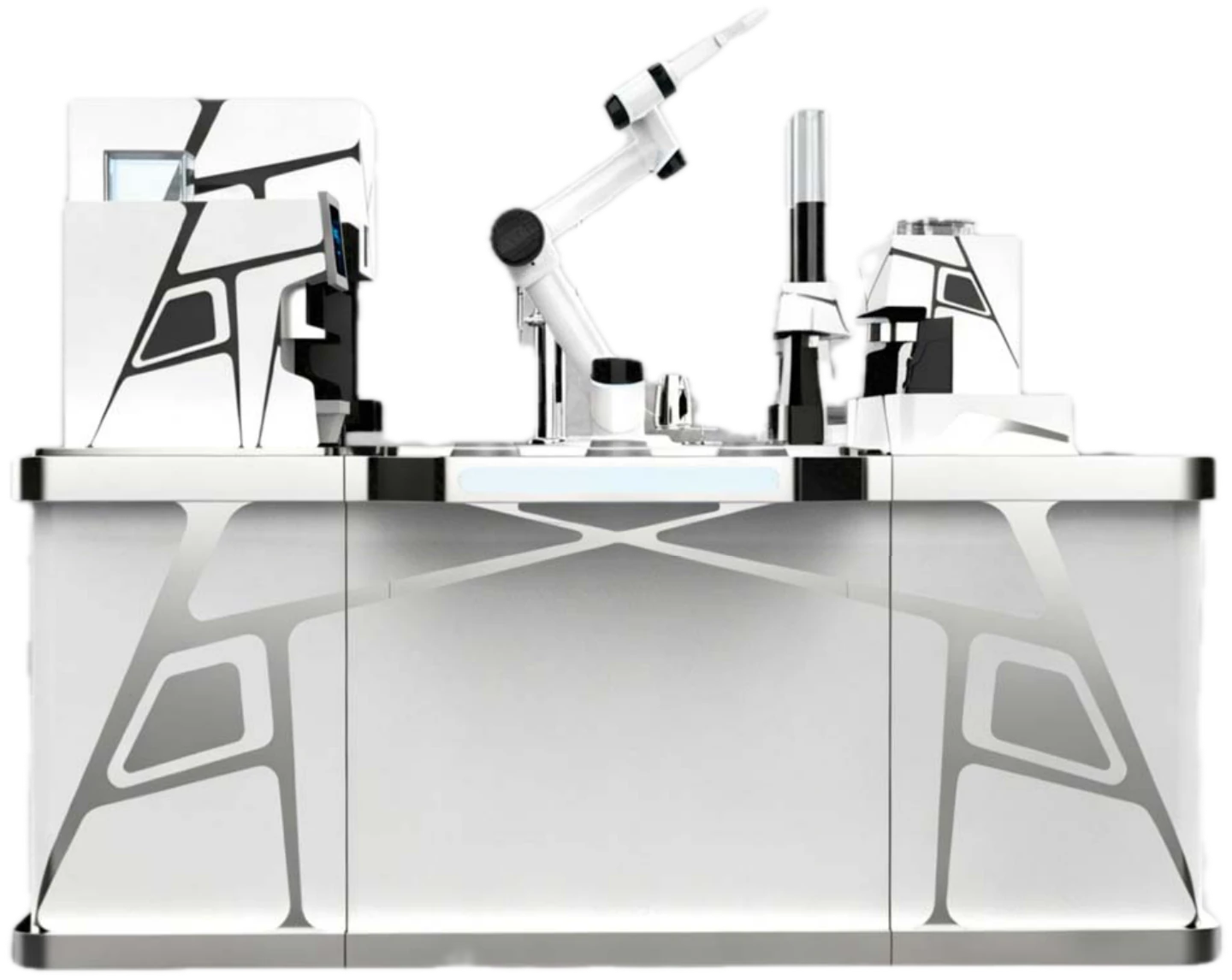
On the coffee bar, people cared whether the counter stays, whether the recipe can lock, and whether staff still stand in front of the guest. A cobot keeps the locked cup, dose, and stir path on the counter that is already there; what slows down in a rush is often ordering and restock, not the arm. The beverage-prep guide walks through that. The bar on the cover is meant to be read as one complete station: arm, equipment, and counter together.
Those three questions do not fit in a hall conversation. Insights already writes them out in the same order: will the arm fit, what belongs on the wrist, and whether the bar has to come out. Read the three guides first, then decide whether you need a model.